Walt Disney used to talk about “the plausible impossible” – the effect that hand-drawn animation could produce through the art of exaggeration. It could turn the body into a piece of elastic and use this flexibility to make an action sequence more exhilarating than it could ever be in real life.
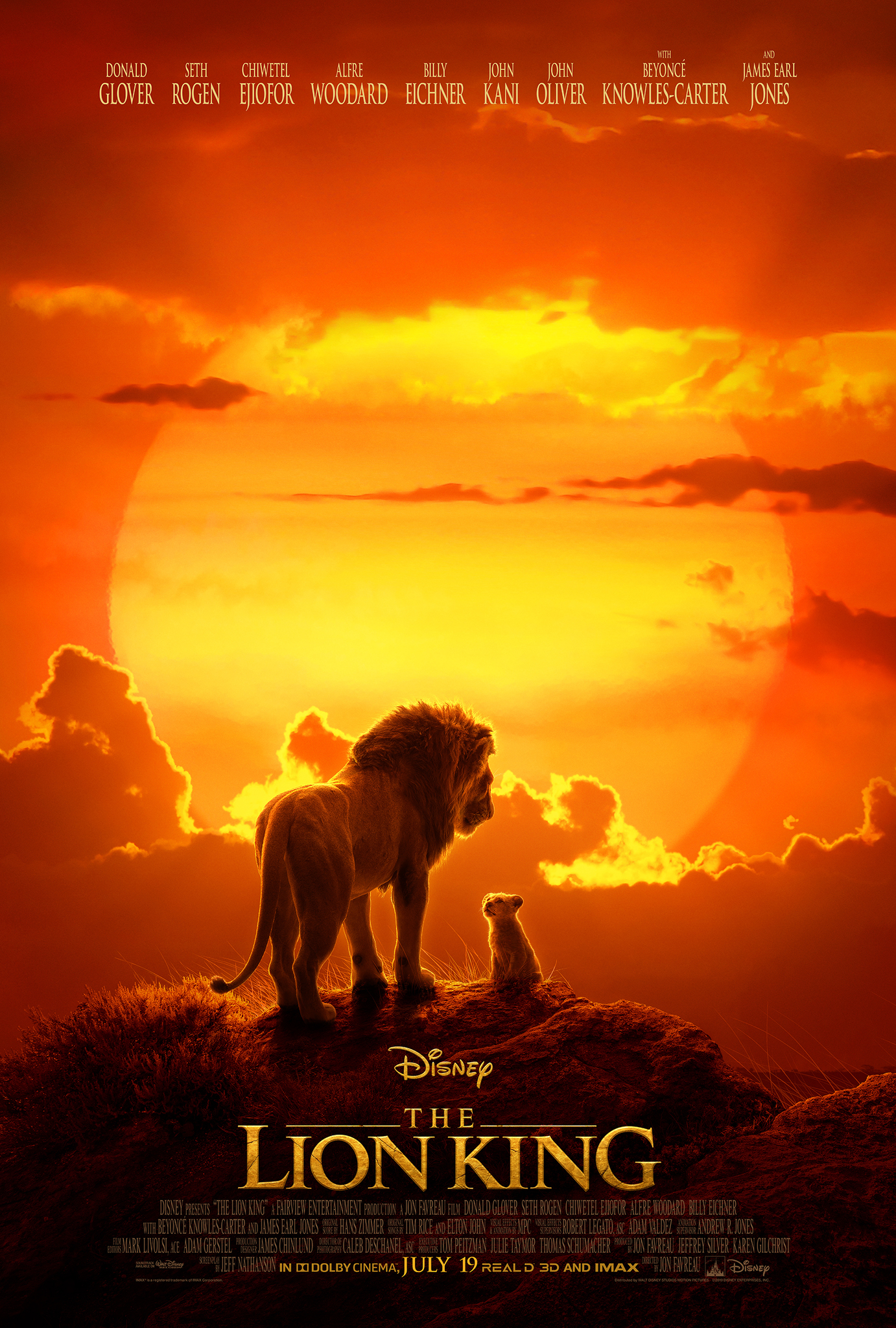
Among Disney’s recent trend of live-action remakes of its hand-drawn animation classics, it doesn’t get any more significant or sacred than The Lion King (move over The Jungle Book, Jumbo, and Aladdin). It is, next to Mickey Mouse, its talismanic intellectual property.
It’s a film that marked the peak of its animated achievements in 1994, one that boosted the company coffers with nearly $1 billion at the global box office and a spin-off stage musical that has since taken more than $8 billion. And it became, inevitably, frozen in aspic, as the feature animation baton passed, the very next year, to Toy Story, marking a defining transition from traditional cartoon adventures to sophisticated computer-generated world-building.
Coming back to what I started off with – the beautiful super-power of hand-drawn animation. Let’s start with the opening song, The Circle of Life, which announces the gathering of the herds thundering across the pride lands to witness the announcement of the birth of Simba, the cub born to Mufasa, the lion king, and his consort, Sarabi.
The choreography for both Circle of Life and cocky little Simba’s song, I Just Can’t Wait to be King, was a carnival of colour and movement so intricately composed that you could have lifted individual takes and enjoyed them as abstract paintings. That’s not possible here. This time, Circle of Life becomes an anthem and straining too hard for significance.
Director Jon Favreau (who was also the director of the 2016 remake of The Jungle Book) follows the original film nearly shot for shot, taking little liberties where needed. The Elton John-Tim Rice musical numbers still sparkle, particularly the fan-favorite “Hakuna Matata”; an OK new song, “Never Too Late,” accompanies the closing credits.
Using computer animation and virtual-reality techniques rather than ink and paint, The Lion King creates an African savanna of breathtaking photorealism. It isn’t just the gorgeous backdrops that trick (and treat) the eye but the wildlife, from lions with rippling ribs to rhinoceros beetles with whirring wings, from the smallest twitch of an ear to the awesome sight of stampeding wildebeest.
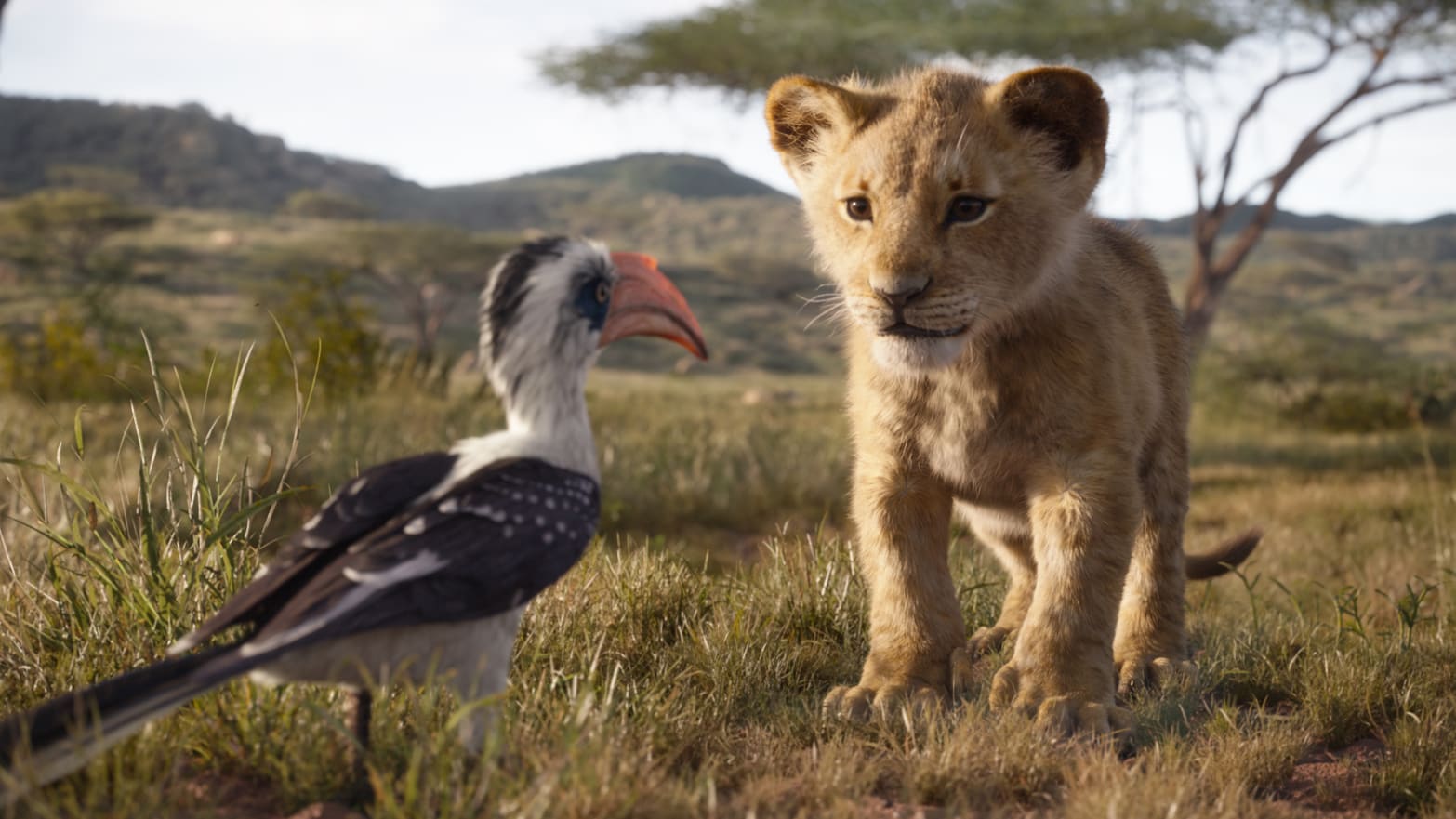
So let’s dig deep and know a bit more about this thing called “photorealism”. According to Wikipedia, it is defined as a genre of art that encompasses painting, drawing and other graphic media, in which an artist studies a photograph and then attempts to reproduce the image as realistically as possible in another medium. The Lion King was made entirely using computer-generated imagery. But at the same time, the movie’s creative team also used a range of live-action filmmaking tools and techniques — from lighting to camera movement to set dressing — that have been around for more than a century, as well as a few that are entirely new. But in the end, is it animation or live-action? Maybe it’s both, or neither or something else altogether.
But the real question is: however visually stunning it may be, is The Lion King the perfect story to be retold with this technology? If you liked the original only because of its spectacular scenery, cinematography, and music, then you might say an astounding yes! And you might love this one even more. But if it’s the story itself and the characters that touched your heart back then, then you will find yourself searching for that essence of human emotion in these animals.
I strongly stand by the point that in any animated film, the voice actors do as much heavy lifting as the special effects team. But for the final product to be enjoyable, they should be aligned together rather than one holding back the other. The realism of the animals’ faces, ironically, make them inexpressive. Even the best actors — including James Earl Jones, returning as Simba’s father, Mufasa — can sound just being overlaid onto the video footage.
Donald Glover and Beyonce who have been cast for their talents as singers, play Simba and Nala. While JD McCrary plays Simba as a cub excellently, I found Glover’s work to be a bit too casual. Simba needs much more intent as the protagonist. But well, you can blame it on the uber-realism of the alpha big cat.
Once again, the comic characters provide rich pickings for a gang of film and television comedians. Seth Rogen, as the flatulent warthog, Pumbaa, and Billy Eichner, voicing the cocky meerkat Timon, generate the right rhythm with their banter. The talk show star, John Oliver, is a witty choice for the part of Zazu (though I missed Rowan Atkinson), who flies in from a tour of the pride lands every morning to bring Mufasa the news. The scary scenes work best though – especially those set in the Elephant Graveyard, where young Simba ventures in spite of his father’s warnings and is almost killed by the marauding hyenas before coming close to being mowed down in a wildebeest stampede. And wicked Uncle Scar is no less menacing in translation. He is also one of the film’s best visual creations. The first time around, he was voiced by Jeremy Irons. For this version, it’s the booming voice of Chiwetel Ejiofor, which seems to come straight from the character’s throat.
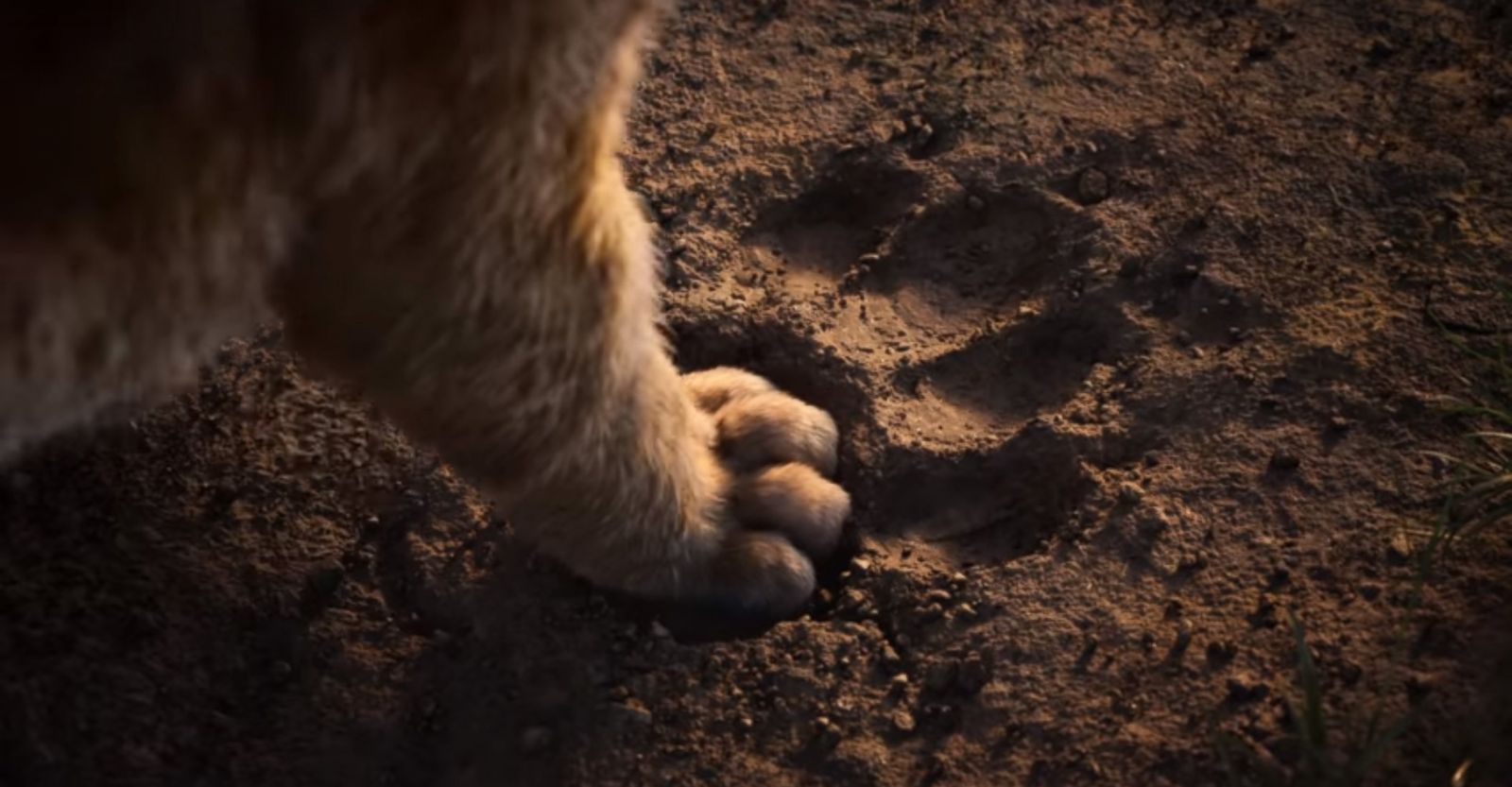
Though it may not capture hearts like the 1994 original, or even the still-running Broadway play, this extraordinary movie is so visually impressive and technically innovative that it could mark another Avatar-level event. But all that’s really new is the technology. And impressive as it is, it fails to set the spirits soaring, as the original did. Personally, I would have loved to see all this effort go into a new, original story rather than a remake.
There are reasons why some critics are of the opinion that Disney is making these films only because they can.
“If you polled the crew of the original Lion King, most of them would say, ‘Why? Did you really have to do that?’ It kind of hurts.”
This is what David Stephan, one of the original animators on the 1994 animated classic had to say about the remake, and clearly he isn’t a fan
But it’s hard to blame Disney for recycling a beloved classic into this kind of family-friendly, eye-popping spectacle. They are aware of the fact that we, the audience will eat it up and either become more entranced by its “re-imagining” or go back home in nostalgia, rewatch the original and rediscover why we loved it in the first place. And that’s the circle of life.

 The Film Reel